


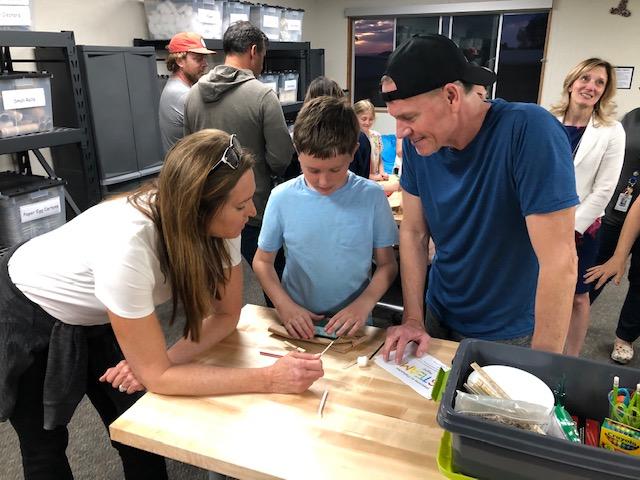
At Futurebytes, we are dedicated to shaping the innovators of tomorrow. With a mission to make learning accessible and engaging, we’re excited to inspire young minds this summer and beyond. See you this summer at Futurebytes—where curiosity meets creativity!
California parents should distinguish state learning expectations from the programs available at their own school. Standards describe what students are expected to learn; they do not tell you the equipment, timetable, or enrichment options a particular child will receive. Start by asking the school what STEM learning looks like in the current year.
Understand the foundations
California's computer science standards cover computing systems, networks, data, programming, and the impacts of computing across grade bands. Elementary expectations include explaining hardware and software and presenting data. [1] A coding lesson can support part of this learning, but computer science is broader than one language.
Engineering also belongs within science learning. Early-grade engineering expectations include asking about a problem, representing a solution, and comparing test evidence. [2] A simple physical model can therefore provide meaningful STEM work without advanced hardware.
Ask about the local AI approach
In 2026, the California Department of Education released an adaptable AI education model policy. Its July announcement states that compliance with the model is not mandatory. [3] Families should ask their school which policy actually applies, rather than assuming the model is a rule used everywhere.
Useful questions include whether children use approved AI tools, how parents are informed, and how students disclose AI assistance. Ask what happens when an output is inaccurate and how private information is protected. Keep the discussion focused on the child's actual activity.
Choose enrichment to add a clear opportunity
Find out which projects and tools are already available at school. If your child wants more time building mechanisms or testing programs, an additional class may offer that opportunity. If they need support with foundational learning, discuss how the program connects with that need.
Compare a sample lesson, equipment access, total cost, and the child's readiness. California STEM education varies locally, so a useful choice starts with the current school experience and a specific goal for enrichment. Ask your child what they want to make or investigate. That answer can help turn a broad search for STEM into a manageable next step.
Resources
[1] California Department of Education — Computer science standards
[2] NGSS — Engineering design for early grades
[3] California Department of Education — 2026 AI model policy